Mellanta Script Font: A Stylish Upgrade for Your Brand
As a small business owner who’s spent years refining my brand’s visual identity, I’ve learned that the right font can make all the difference. It’s not just about looking good—it’s about making a statement. When I was updating our bakery’s packaging and menu last month, I knew I needed something that felt elegant yet approachable. That’s when I discovered Mellanta, a script font that immediately caught my eye.
The First Impression: A Font with Personality
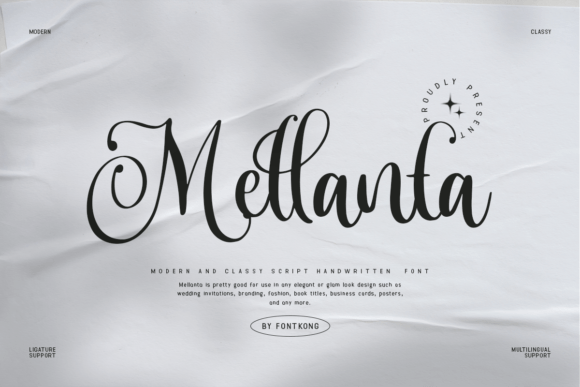
Mellanta is more than just a typeface—it’s a design language. With its flowing letterforms and delicate curves, it brings a sense of artistry and sophistication to any project. What stood out to me was how it balances elegance with readability. Unlike some overly ornate script fonts that can feel cluttered, Mellanta maintains a clean, refined look that feels modern and professional.
Its personality is soft and inviting, making it perfect for businesses that want to convey warmth and authenticity. Whether you’re designing product labels, thank-you cards, or social media graphics, Mellanta adds a touch of character without overwhelming the message.
Real-World Use: From Bakery Boxes to Online Shop Banners
I used Mellanta in several key areas for my bakery. On our product boxes, it helped create a cohesive look across all items. The font worked beautifully on the front label, where it served as the main headline, while the rest of the text used a simpler sans serif font for clarity.
For our online shop banners, I paired Mellanta with a clean, modern sans serif font. This combination created a nice contrast that made the text pop while keeping the design visually balanced. The result? A stronger brand presence that felt both professional and friendly.
One of my favorite uses was for our Instagram promotions. By using Mellanta as the headline and a complementary serif font for supporting text, we were able to create engaging visuals that aligned with our brand’s aesthetic. The font’s versatility allowed us to adapt it to different formats without losing its charm.
Readability Matters: How to Use Mellanta Effectively
While Mellanta is beautiful, it’s important to use it wisely. As a display font, it works best for headlines, short phrases, and decorative elements. For body text or long paragraphs, I recommend pairing it with a more readable sans serif or serif font.
When using Mellanta on small labels or mobile screens, be mindful of size and spacing. The font’s intricate details can become less legible at smaller sizes, so it’s best reserved for titles and accents. On printed packaging, I found that using a slightly larger font size helped maintain clarity while preserving the font’s elegance.
For digital assets like social media thumbnails or product mockups, testing the font at different resolutions is essential. I found that Mellanta performed well on high-resolution displays but could appear slightly pixelated at lower quality settings. Always preview your designs in various formats before finalizing them.
Font Pairing: Creating a Balanced Design
Pairing Mellanta with the right fonts can elevate your design significantly. I often pair it with a clean sans serif font like Montserrat or Lato for a modern, minimalist look. For a more classic feel, a serif font like Georgia or Cinzel can complement Mellanta beautifully.
If you’re looking for a handwritten or casual vibe, consider pairing Mellanta with a script or handwritten font. However, be careful not to overdo it—too many scripts can lead to visual chaos. Stick to one or two fonts at most to keep your design consistent and easy to read.
Another great option is to use Mellanta as a decorative accent alongside a bold, geometric sans serif font. This contrast can add depth and interest to your branding materials without sacrificing readability.
Design Assets and Licensing: What to Look For
Before using Mellanta on any commercial projects, I always check the included styles, file formats, and licensing options. Mellanta offers a range of weights and alternates, which makes it flexible for different design needs. The font also includes ligatures and multilingual support, which is a bonus for businesses targeting diverse audiences.
It’s important to ensure that the font is licensed for commercial use, especially if you plan to print packaging or sell digital templates. Most premium fonts like Mellanta come with clear licensing terms, so be sure to review those carefully before using the font in client work or product designs.
Whether you’re updating your website, creating new product tags, or designing social media graphics, Mellanta has the versatility and style to help your brand stand out. It’s a font that feels both timeless and contemporary, making it a valuable addition to any designer’s toolkit.