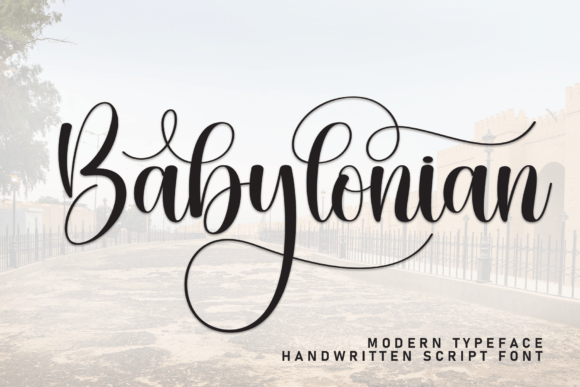
Babylonian: A Script Font That Elevates Web Design
Recently, I was working on a boutique online store’s homepage. The client wanted something elegant yet modern, something that would reflect the brand’s sophistication while still feeling approachable. After exploring several options, I came across Babylonian. At first glance, it felt like the perfect fit—stylish, refined, and just the right amount of flair.
A Font with Personality
Babylonian is a script font with a distinct elegance. Its flowing lines and subtle embellishments give it a handwritten feel without being too ornate. It has a timeless quality that works well across various design contexts. Whether used for headers, call-to-action buttons, or decorative accents, it adds a touch of sophistication that can elevate any digital layout.
I tested Babylonian in the hero section of the boutique site. Placed over a high-quality image banner, it immediately caught the eye. The font’s legibility was impressive, even at smaller sizes, which is crucial for maintaining readability on mobile devices. It didn’t overpower the content, but rather complemented it beautifully.
Where to Use Babylonian
Babylonian is versatile enough to work in multiple areas of a website. For example, it shines as a hero title, where it can draw attention without overwhelming the user. It also performs well in section headings, especially when paired with a clean sans-serif font for body text. On landing pages, it can be used for short phrases like “Limited Time Offer” or “Join Our Community,” adding visual interest without sacrificing clarity.
For a creative portfolio site, Babylonian can serve as the primary font for logo text or project titles. In a coaching website, it might be used for headline sections or testimonials to add a personal, handcrafted feel. Even in a product landing page, it can be applied to key selling points or promotional banners, helping to guide the user’s eye through the content.
Readability and UX Considerations
While Babylonian is visually appealing, I made sure to test its performance across different screen sizes and backgrounds. On mobile, I found that using a slightly heavier weight helped maintain clarity, especially on smaller buttons and form fields. It also worked well on dark backgrounds, though I recommended using a light-colored text variant to ensure maximum contrast.
One thing I noticed was that Babylonian can be a bit dense in larger blocks of text. To avoid this, I suggested pairing it with a more readable sans-serif font for body copy. This creates a nice balance between style and functionality, ensuring that the user can scan through content easily without getting lost in the typography.
Font Pairing and Brand Identity
When choosing fonts for a website, it’s important to consider how they contribute to the overall brand identity. Babylonian is a display font, so it should be used sparingly and strategically. Pairing it with a simple sans-serif font like Montserrat or Lato can create a strong visual hierarchy while keeping the design cohesive.
For a more editorial feel, a serif font could also work well alongside Babylonian, especially if the brand leans toward traditional or luxury aesthetics. The key is to maintain consistency across all design assets—logos, headers, buttons, and social media graphics—to reinforce brand recognition and trust.
Technical Considerations
Before implementing Babylonian on the boutique site, I checked its webfont availability and file formats. It comes with several weights and styles, including bold and italic variants, which offer flexibility for different design needs. The font also supports multiple languages, making it suitable for international audiences.
It’s essential to verify commercial font licensing before using Babylonian on client projects, especially if the site involves e-commerce or paid subscriptions. Ensuring that the font is properly licensed helps avoid potential legal issues and guarantees that the design remains compliant with industry standards.
Final Thoughts
Overall, Babylonian is a great choice for designers looking to add a touch of elegance and personality to their projects. It’s not just a font—it’s a design tool that can enhance user experience, improve brand perception, and create a more polished online presence. Whether you’re building a boutique store, a coaching website, or a creative portfolio, Babylonian can help you stand out in a competitive digital landscape.